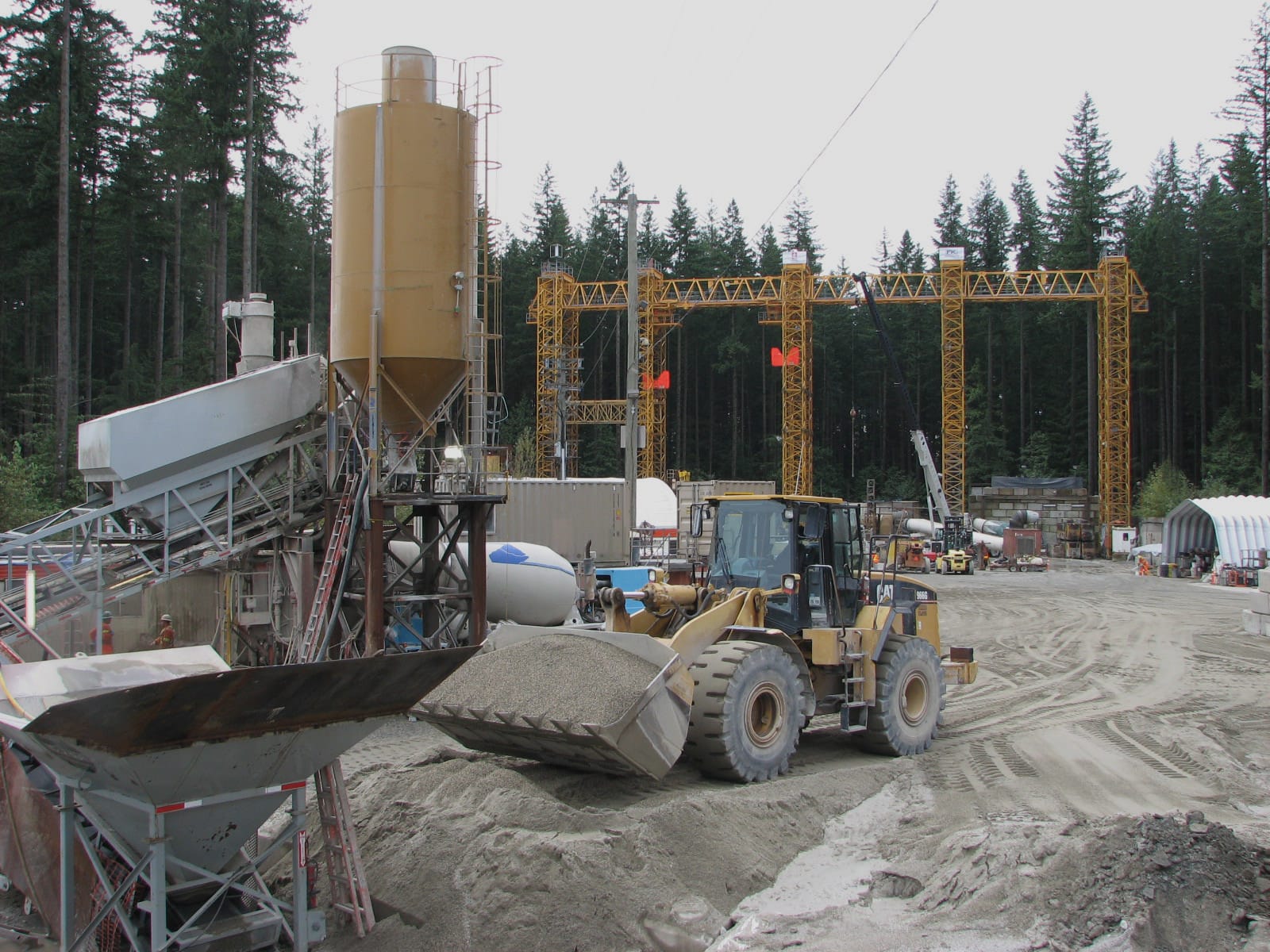
Bentonite cement grout is a specialized mixture widely used in soil stabilization projects due to its unique properties that enhance the strength and durability of weak or loose soils. This blend typically consists of bentonite, a natural clay known for its high swelling capacity and plasticity, combined with cement, which provides structural rigidity. The synergy between bentonite and cement creates a grout that can penetrate fine soil pores while solidifying into a stable mass, making it an ideal solution for various geotechnical applications.
One of the primary uses of bentonite cement grout in soil stabilization is in ground improvement techniques where weak soils need reinforcement to support construction loads. Loose sandy soils or silty clays often lack sufficient bearing capacity and are prone to settlement or erosion. Injecting bentonite cement grout into these soils fills voids and binds particles together, significantly increasing shear strength and reducing permeability. This results in enhanced load-bearing capacity essential for foundations, embankments, retaining walls, and other infrastructure elements.
The adaptability of bentonite cement grout allows it to be used effectively in diverse environments. For instance, in tunneling projects beneath urban areas with unstable soil conditions, this grout stabilizes the surrounding ground by creating impermeable barriers that prevent water concrete agitator ingress and control subsidence risks. It also finds application in sealing leaks around underground utilities such as pipelines or cables where maintaining soil integrity is critical.
Another important advantage lies in its workability; the fluid nature of the grout enables easy injection through small-diameter pipes under pressure into deep or inaccessible zones within the ground. Upon setting, the mixture hardens without significant shrinkage due to bentonite’s expansive characteristics balancing out cement’s contraction tendencies. This quality minimizes cracking and ensures long-term stability even when subjected to cyclic loading or environmental changes.
Environmental considerations also favor using bentonite cement grouts since they reduce reliance on chemical additives that might pose ecological hazards. Bentonite itself is non-toxic and naturally abundant while improving water retention helps mitigate erosion caused by surface runoff during heavy rains.
In summary, bentonite cement grout plays a crucial role in modern soil stabilization efforts by combining flexibility with strength enhancement capabilities. Its ability to improve mechanical properties of problematic soils makes it indispensable for safe construction practices across civil engineering disciplines ranging from foundation support systems to groundwater control measures. As infrastructure demands grow increasingly complex worldwide, continued innovation involving this versatile material promises more efficient solutions tailored toward sustainable development goals within challenging geological settings.